Our Latest Articles
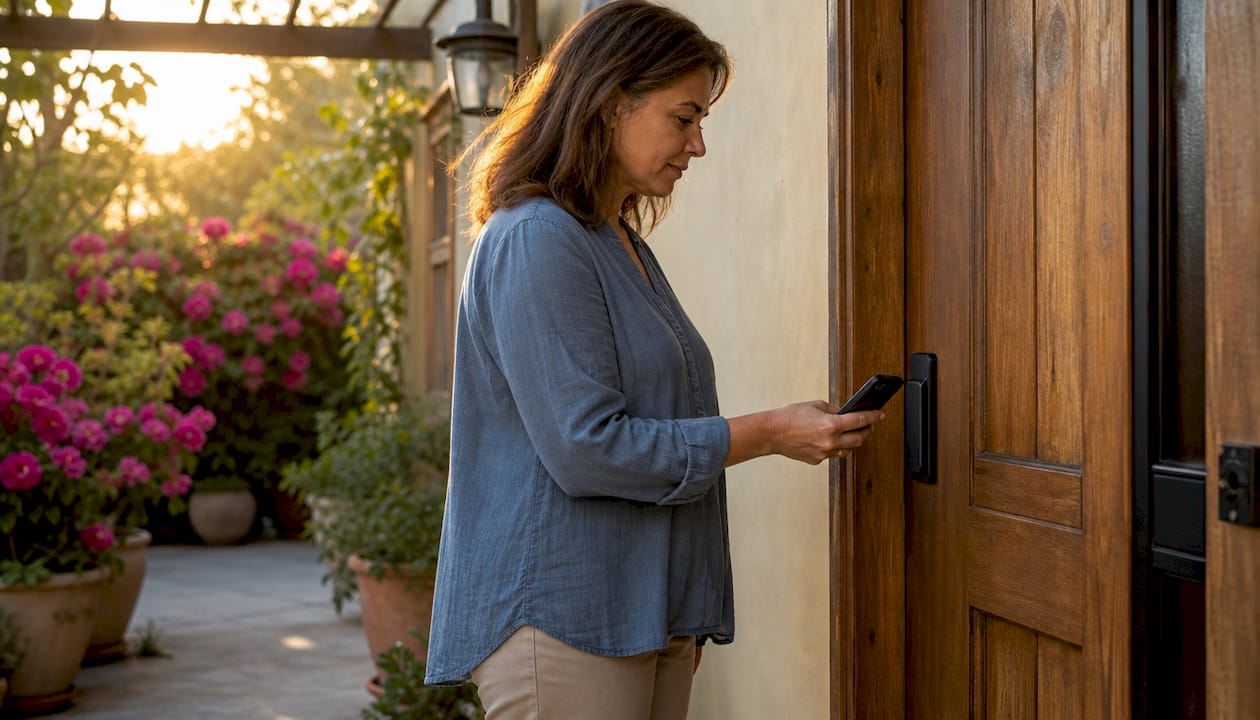
Benefits of keyless entry for homes in 2026
TL;DR:
- Keyless entry systems enhance home security by removing the traditional keyhole and using encrypted codes to prevent theft. They also offer convenient features like remote access, temporary codes, and instant permission management. Proper maintenance, firmware updates, and securing the home network are essential for maximizing safety and long-term value.
Keyless entry is defined as any lock system that grants access through a PIN code, biometric scan, or smartphone app rather than a physical key. The benefits of keyless entry go well beyond simple convenience. These systems eliminate the vulnerabilities of traditional locks, including lock picking, key duplication, and lost key lockouts, while giving you real-time control over who enters your home. For homeowners and renters in Dublin and across Ireland, understanding these advantages is the first step toward making a genuinely informed security decision.
1. How do keyless entry systems improve home security?
Keyless entry systems remove the physical keyhole entirely, which is the most common point of attack in traditional lock picking and bumping. No keyhole means no picking tool can engage the mechanism. That single design change closes off one of the oldest methods of forced entry.
The encryption behind these systems adds another layer of protection. Encrypted rolling codes change dynamically with every single use, making key duplication technically impossible. A traditional metal key, by contrast, can be copied at a hardware shop in under a minute.
Keyless systems also generate audit logs. Every entry event is recorded with a timestamp and the credential used. That level of accountability is simply not available with a physical key.
- No keyhole: Eliminates lock picking and bumping attacks entirely.
- Rolling code encryption: Each access attempt uses a unique code, preventing replay attacks.
- Audit logs: Full record of who entered and when, viewable from your phone.
- Instant revocation: Remove access for a contractor or former housemate in seconds, with no hardware change needed.
- Granular permissions: Set specific access windows, such as 9AM–5PM on weekdays only, for cleaners or tradespeople.
Pro Tip: Set a strong PIN of at least six digits and avoid obvious sequences like birth years. Firmware updates are equally critical. Neglecting firmware updates exposes your system to relay and hacking attacks even when the hardware itself is sound.
2. What convenience benefits do keyless entry systems offer?
The keyless entry convenience argument is straightforward: you never need to carry a key again. No more patting down pockets at the front door, no more hiding a spare under a flowerpot, and no more calling a locksmith because you left your keys at the office.

Remote control is the feature homeowners mention most. Smartphone apps let you lock or unlock your door from anywhere with a signal. Real-time status notifications tell you instantly whether the door is locked, and auto-locking features engage the bolt after a set time period so a forgotten lock becomes a non-issue.
Granting access to guests or service workers is equally straightforward. You can issue a temporary code that expires after a single use or after a set date. That means a delivery driver, a plumber, or a family member visiting for the weekend each gets exactly the access they need, and nothing more. You can read more about managing contractor access on the Ecslocksmiths blog.
The day-to-day convenience benefits stack up quickly:
- No physical key to carry, copy, or lose. One fewer thing to manage in your daily routine.
- Remote locking and unlocking. Lock the door from your desk if you left in a hurry.
- Auto-lock after a set interval. The system handles what you might forget.
- Temporary access codes. Issue and expire codes for guests without being present.
- Scheduled permissions. A cleaner’s code works only on Tuesday mornings, then deactivates automatically.
- Instant access revocation. Revoke permissions instantly without changing hardware or calling a locksmith.
- Multiple access methods. Use a PIN, a fingerprint, or your phone depending on what you have to hand.
3. What are the cost and maintenance considerations?
Keyless entry systems cost more upfront than a standard deadbolt. That is a straightforward fact. The long-term financial picture, however, looks quite different once you account for what traditional locks actually cost over time.
Long-term savings outweigh the initial investment for most homeowners. Rekeying a traditional lock after a break-in, a lost key, or a change of tenants typically costs between £60 and £120 per visit. With a keyless system, you simply update the credentials digitally at no additional cost.
There are ongoing costs to budget for:
- Battery replacement: Most smart locks run on AA or CR2 batteries and need replacing every six to twelve months.
- App subscriptions: Some manufacturers charge a monthly fee for cloud storage of audit logs or advanced scheduling features.
- Firmware updates: These are free but require attention. Skipping them is the most common way users weaken an otherwise secure system.
- Backup power: A portable USB charger or a physical key override slot prevents lockouts if the battery dies unexpectedly.
Pro Tip: Buy a lock with a physical key override slot as a backup. A physical backup method is not a sign of weakness in the system. It is a sensible safeguard against battery failure or software faults that no amount of good hardware can fully prevent.
4. How do keyless systems integrate with smart home technology?
Most keyless systems connect to your home network via Wi-Fi, Bluetooth, or a dedicated hub such as Zigbee or Z-Wave. Each connection type has a different range and latency profile, and the right choice depends on your property layout and existing devices.
Smart lock ecosystem connectivity improves the overall home security experience by linking your lock to lights, alarms, and cameras. When your front door unlocks, the hallway light can turn on automatically. When an unrecognised code is entered three times, your alarm can trigger and your phone receives an alert.
Voice assistant compatibility is now standard across most mid-range and premium keyless locks. Systems compatible with Amazon Alexa or Google Assistant let you lock the door with a spoken command, which is particularly useful when your hands are full.
| Integration type | How it works | Security note |
|---|---|---|
| Wi-Fi | Connects directly to your router for remote access | Router security directly affects lock security |
| Bluetooth | Short-range connection via smartphone | Works without internet; limited remote control |
| Zigbee or Z-Wave hub | Dedicated smart home hub acts as a bridge | More isolated from internet threats |
| Voice assistant | Alexa or Google Assistant voice commands | Use voice PINs to prevent unauthorised verbal commands |
A Wi-Fi connected lock is only as secure as the home network it sits on. A weak router password or an outdated router firmware version creates a digital entry point that bypasses the lock’s own encryption entirely. Securing your router is not optional when you install a smart lock.
Key takeaways
Keyless entry systems deliver stronger security, greater daily convenience, and long-term cost savings compared to traditional locks, provided you maintain the system and secure your home network.
| Point | Details |
|---|---|
| No keyhole means stronger physical security | Removing the keyhole eliminates lock picking and bumping as attack methods. |
| Rolling code encryption prevents duplication | Each access event uses a unique code, making key copying technically impossible. |
| Remote access and auto-lock reduce daily friction | Control your lock from anywhere and let the system handle forgotten locks automatically. |
| Upfront cost is offset by long-term savings | Digital credential updates replace costly rekeying visits after every key loss or tenant change. |
| Network security is part of lock security | A weak Wi-Fi router undermines even the best smart lock, so secure both together. |
Barry’s view: the upgrade most homeowners underestimate
After years of working in residential security in Dublin, the question I hear most often is whether keyless entry is actually safer than a good deadbolt. My honest answer is yes, but only if you treat the system as a whole rather than just the lock on the door.
The hardware side of keyless entry is genuinely impressive. Rolling code encryption and the absence of a physical keyhole address the two most common physical attack methods. What surprises homeowners is how much the security depends on what they do after installation. A lock with outdated firmware and a four-digit PIN is not more secure than a quality deadbolt. It is arguably less secure, because it adds a digital attack surface without the user taking responsibility for it.
The convenience benefits are real and they compound over time. I have spoken to renters who changed their locks three times in two years because of lost keys and departing flatmates. Every one of those changes cost money and time. A keyless system would have made each of those situations a two-minute job on a phone.
My recommendation is simple. Choose a lock from a reputable manufacturer with a proven firmware update track record. Keep a physical backup method. Secure your router as carefully as you secure the lock itself. And if you are unsure about installation or which system suits your property, get a professional assessment rather than guessing. The technology is excellent. The results depend on how well you set it up.
— Barry
Keyless entry installation from Ecslocksmiths
Choosing the right keyless system for your home is straightforward when you have the right guidance. Ecslocksmiths works with homeowners and renters across Dublin to assess individual property needs and recommend systems that match both the security requirements and the budget.
Whether you are upgrading an existing lock or fitting a keyless system in a new rental, Ecslocksmiths provides professional installation, configuration, and ongoing support. The team is available 24/7 and offers free estimates with no obligation. Visit the Ecslocksmiths Dublin page to book a consultation or get advice on the best keyless entry option for your property.
FAQ
What are the main benefits of keyless entry for homes?
Keyless entry systems improve security by removing physical keyholes, preventing lock picking and key duplication through rolling code encryption. They also offer remote access, auto-locking, and instant credential revocation without any hardware changes.
Is keyless entry safe for residential properties?
Keyless entry is safe when properly configured and maintained. Security effectiveness depends on strong PINs, regular firmware updates, and a secure home Wi-Fi network.
Can I grant temporary access to guests or contractors?
Yes. Most keyless systems allow you to issue time-limited or single-use codes for guests, cleaners, or tradespeople, and revoke them instantly once access is no longer needed.
What happens if the battery dies on a keyless lock?
Most keyless locks include a physical key override slot or an external battery terminal for emergency charging. A physical backup option is strongly recommended to avoid lockouts from battery failure.
Are keyless entry systems worth the higher upfront cost?
For most homeowners and renters, yes. The savings from eliminating rekeying visits, lost key replacements, and lockout call-outs typically offset the initial investment within one to two years of use.
What services do locksmiths in Ireland actually offer?
It’s more than just unlocking doors. Most locksmiths provide:
Emergency lockouts (home, car, business)
Lock repairs and replacements
Key cutting and rekeying
Security upgrades (e.g. anti-snap locks)
Car key replacement
How quickly can you respond to an emergency?
In emergency situations, typical arrival times should be at your location within 20-30 minutes. There are always professional locksmiths on standby, ready to handle any lockout or security emergency, ensuring safety is never compromised.
Can a lockmsith help with high-security locks and systems?
Absolutely! Most locksmiths specialise in advanced high-security lock systems, including electronic locks, biometric security, smart locks, and keyless entry systems. The should be trained in the latest security technologies, ensuring that they can provide the highest level of protection for your home, office, or vehicle. Ask for a free expert consultation to help you choose the right security system for your needs.
Will a locksmith provide a warranty on there services?
Yes, all locksmiths should stand by the quality of there work and offer a 100% satisfaction guarantee. Most would by default offer a warranty on all services, ensuring that you receive the best craftsmanship and long-lasting results.
Can a locksmith open Cars
Yes, most locksmiths are trained to open cars.
How quickly can a locksmith get to me in an emergency?
Most locksmiths in Ireland offer 24/7 emergency callouts and typically arrive within 15–60 minutes, depending on your location and traffic. In Dublin, response times can be as fast as 10–30 minutes, especially for emergency lockouts.
Can a locksmith open my door without damaging it?
Yes A professional locksmiths use non-destructive entry methods first. Drilling is usually a last resort, not the default approach.
If someone immediately suggests drilling without inspecting the lock, that’s a red flag.
How much does a locksmith cost?
Costs vary depending on the service, time of day, and complexity of the job. A standard lockout is usually cheaper than replacing a lock. Emergency or late-night services may cost more.
Prices vary, but here’s a realistic guide:
Standard callout/labour: €85–€95
Lockout service: from ~€85–€120+
Lock replacement: depends on parts + labour
Important: Always ask for a full quote upfront and if there is a call out fee. Some companies advertise low prices but increase costs after arriving.
Prices can vary quite a bit… call around for quotes!
Can you make a key without the original?
Yes A professional locksmiths use non-destructive methods whenever possible. Damage usually only happens if the lock is faulty, high-security, or has already been tampered with.
Do locksmiths in Ireland need to be licensed?
Yes. In Ireland, all locksmiths must be licensed by the Private Security Authority (PSA).
If you’re hiring someone:
Ask for their PSA licence number
Avoid anyone who can’t prove credentials
By asking for the licence you avoid the scammers.
Providing Locksmith Services For More Than 30 Years in Dublin, lock outs, lock fitting, slam locks, car opening, commerical and domestic.


Quick Links
Home
About Us
Services
Testimonial
Faqs
Legal
Privacy Policy
Terms & Conditions