
Our Latest Articles
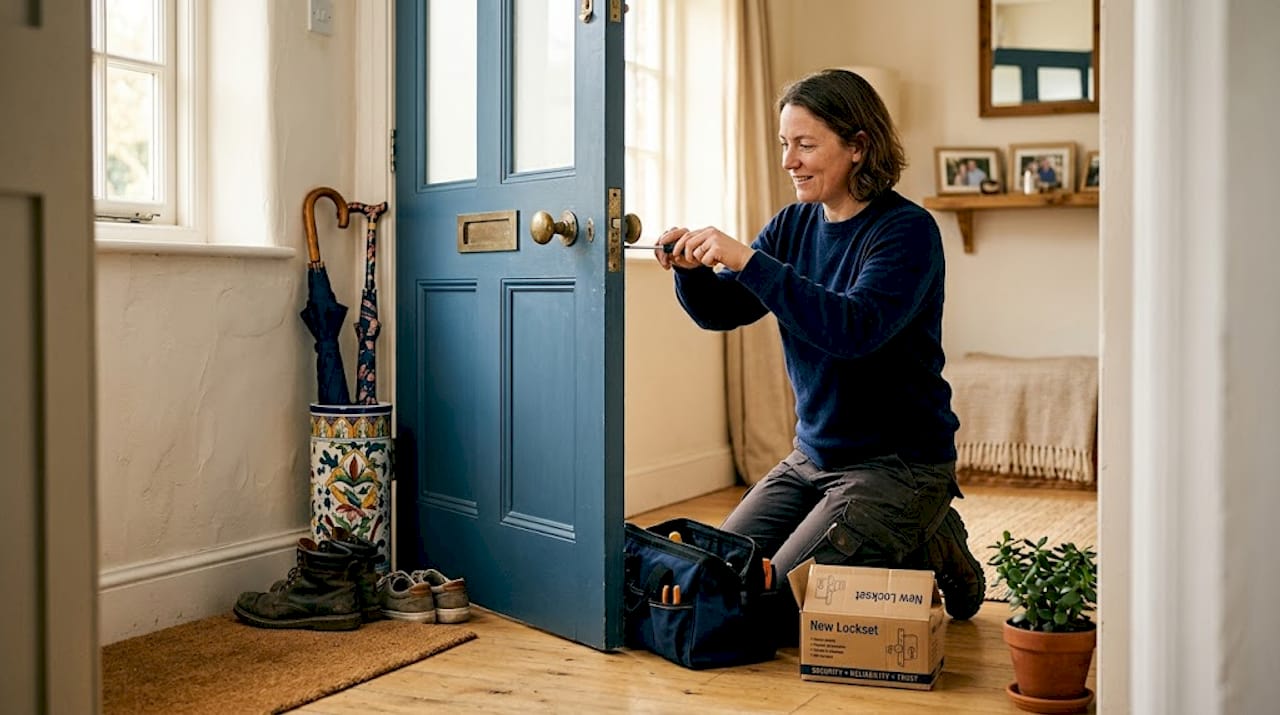
How to change door locks: a practical guide
TL;DR:
- Knowing how to change door locks yourself can save time and money during security upgrades or emergencies. Proper measurement, tool preparation, and understanding lock types are essential to ensure correct installation and optimal security. When in doubt or facing complex issues, consulting a professional locksmith guarantees safe, reliable results.
Whether you’ve just moved into a new home, lost a set of keys, or simply want a security upgrade, knowing how to change door locks yourself can save you time and money. It’s a skill that sounds daunting but is genuinely achievable with the right preparation. This guide walks you through everything: the tools you need, how to measure correctly, step-by-step removal and installation, and what renters specifically need to know before touching a single screw.
Table of Contents
- Key takeaways
- How to change door locks: tools and measurements
- Step-by-step: removing and installing your lock
- Renters: legal considerations before changing locks
- Testing and troubleshooting after installation
- My honest take on DIY lock changes
- Need a hand with your lock change?
- FAQ
Key takeaways
| Point | Details |
|---|---|
| Measure before you buy | Check door thickness, backset, and bore hole diameter to avoid purchasing the wrong lock. |
| Basic jobs take under 20 minutes | A straightforward lock replacement can be done in 15 to 20 minutes with standard tools. |
| Renters must check their lease | Tenants can often change locks legally but may need to provide a duplicate key to their landlord. |
| Strike plates matter as much as locks | Fitting your strike plate with long screws anchored into wall studs dramatically improves kick-in resistance. |
| Test everything before closing up | Always verify the lock works from both sides and with the door closed before considering the job complete. |
How to change door locks: tools and measurements
Getting prepared is where most DIY lock projects go wrong. People buy a lock that looks right in the shop, get home, and discover it doesn’t fit. Avoid that entirely by measuring first.
What you’ll need
Here is a straightforward list of tools to gather before you start:
- Phillips and flathead screwdrivers
- Electric drill with wood and metal drill bits
- Tape measure
- Chisel and mallet (for mortice locks)
- Pliers
- Hacksaw (only if adjusting a latch bolt length)
- Pencil for marking positions
Critical measurements to take
Three measurements determine whether your new lock will fit: door thickness, backset, and bore hole diameter. Most doors sit between 1-3/8 inches and 1-3/4 inches thick. The backset is the distance from the door edge to the centre of the bore hole, and it’s almost always either 2-3/8 inches or 2-3/4 inches. The bore hole itself is typically 2-1/8 inches in diameter.
| Measurement | Standard size | How to measure |
|---|---|---|
| Door thickness | 1-3/8" to 1-3/4" | Measure the door edge with a tape measure |
| Backset | 2-3/8" or 2-3/4" | Measure from door edge to bore hole centre |
| Bore hole diameter | 2-1/8" | Measure the existing hole diameter |
| Lock handing | Left or right swing | Stand outside and note which side the hinges are on |
You also need to consider lock handing. Mismatched handing or an incorrect bore hole size are the two most common causes of installation failure. Check the swing direction of your door before purchasing anything.
Pro Tip: Take a photo of your existing lock’s packaging or engrave the brand model number before heading to the hardware shop. Many replacements from the same manufacturer will drop straight in without any drilling.
When choosing your new lock, pay attention to grading. ANSI/BHMA Grade 1 is the highest rating and is suited to commercial or high-security residential use. Grade 2 covers standard residential exterior doors well, while Grade 3 is only suitable for interior doors. For any front or back door, stick with Grade 1 or Grade 2.
Step-by-step: removing and installing your lock
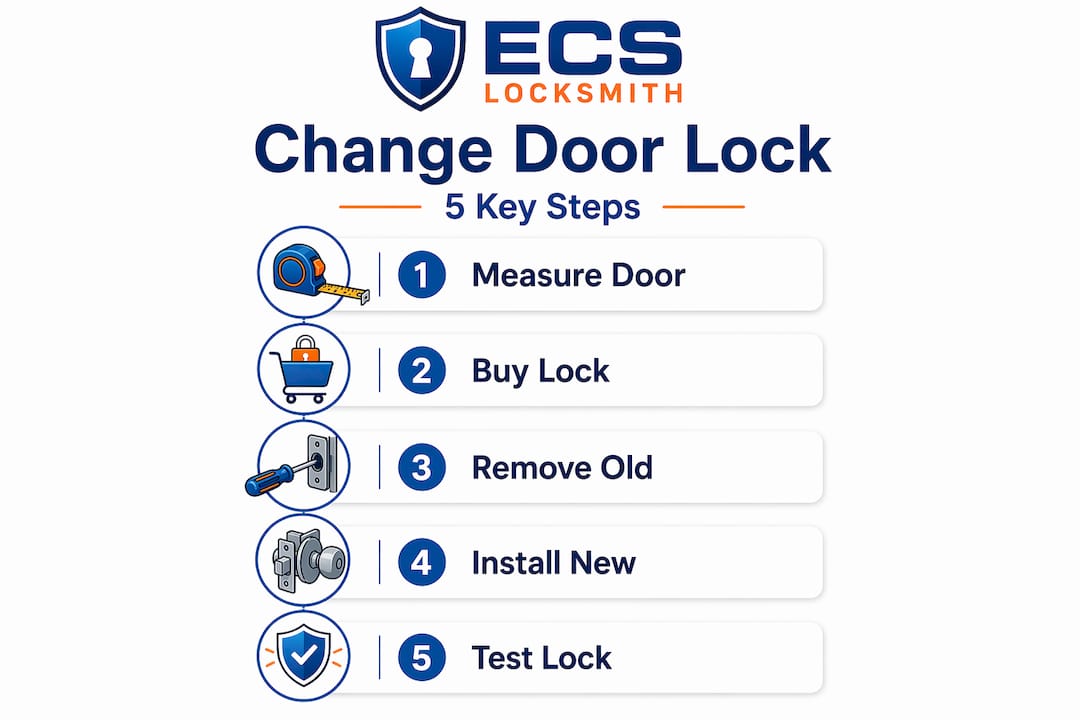
A standard door lock replacement follows the same basic sequence regardless of lock type. The key difference lies in how each lock is held in place and what you’re aligning. Work through these steps methodically and you won’t go wrong.
Removing a cylinder or nightlatch lock
- Open the door so you can access both sides freely.
- Unscrew the interior rose plate or escutcheon (the decorative plate around the lock barrel).
- Locate the retaining screw on the edge of the door, inside the cylinder. Loosen it slightly.
- Insert your old key and turn it 10 to 15 degrees. This releases the cam and allows the cylinder to slide out.
- Remove the interior handle or thumbturn if applicable.
- Slide the new cylinder in from the outside, making sure the cam (the metal tab) aligns with the latch mechanism.
- Tighten the retaining screw. Do not overtighten. Snug is enough.
- Refit the rose plate and test the key from both sides.
Removing and replacing a mortice lock
Mortice locks sit inside a pocket cut into the door edge. They’re common in older properties and require more care during removal.
- Remove the door handles by unscrewing the spindle bolts on both sides.
- Locate and remove the two faceplate screws on the door edge.
- Use pliers to grip the lock body and pull it straight out of the mortice pocket.
- Slide the new lock body into the mortice pocket. It should sit flush without forcing.
- Refit the faceplate screws and check the bolt extends and retracts cleanly.
- Refit the handles and test operation with the door open first.
Pro Tip: Rub candle wax or dry soap on the bolt if it feels stiff after installation. It takes 30 seconds and prevents premature wear on the mechanism.
Replacing a multipoint locking system
Multipoint locks are standard on UPVC doors and are more complex to replace. If you’re planning a DIY approach, confirm the new lock matches the exact gearbox dimensions of the old one. Measure the gearbox height, the distance between fixing holes, and the backset.
- Remove the old handles and unscrew the gearbox from the door edge.
- Note the position of all locking points (hooks, rollers, bolts) before removing.
- Slide the new gearbox in and align it with the existing keep plates in the frame.
- Refit handles, test each locking point individually, and then test the full lift-and-turn operation.
Installing deadbolts is slightly simpler. Smart locks can retrofit existing deadbolt cutouts entirely, meaning you can upgrade to keyless entry without drilling new holes. If you go that route, run calibration and update the firmware before creating user codes. Skipping calibration on motorised locks leads to erratic behaviour and faster battery drain.
When installing deadbolts, secure the strike plate with 3-inch screws that reach into the wall studs, not just the door frame timber. Strike plates secured into studs offer vastly better kick-in resistance than standard short screws.
Renters: legal considerations before changing locks
This is the section most door lock replacement guides skip entirely. If you rent, the rules are different, and getting this wrong can cost you your deposit or worse.
In most jurisdictions, tenants can legally change locks for safety reasons without needing explicit landlord permission. However, the obligations that follow vary depending on your tenancy agreement. Here are the key points to know:
- Always read your lease first. Some agreements explicitly require landlord consent before any lock changes.
- You will usually need to provide your landlord with a duplicate key within a reasonable timeframe, particularly in emergency housing situations.
- At the end of a tenancy, you may be required to restore the original locks or provide all copies of new keys.
- Failing to do either can result in deposit deductions, regardless of the reason for the original change.
- If you changed locks following a safety concern such as a break-in or domestic dispute, document your reasoning in writing to your landlord.
“Tenants often focus on the act of changing the lock and forget about the obligations that come after. The key handover and end-of-tenancy restoration requirements are where most disputes actually arise.”
The safest approach is to notify your landlord in writing before making any change, unless there is an immediate safety risk. Keep copies of all correspondence. If you’re unsure about your rights, security advice during moves from property and relocation specialists can help you understand the broader picture.
The lock change procedure for apartments in shared buildings adds another layer. You may not be permitted to alter communal entrance locks at all. Check your building management rules separately from your individual lease.
Testing and troubleshooting after installation
Never assume a new lock works correctly just because it looked right going in. Test it thoroughly before you trust it with your home’s security.
Start with the door open. Insert the key and turn it in both directions. Check that the bolt extends and retracts without resistance. Operate the thumbturn or handle and confirm it moves freely.
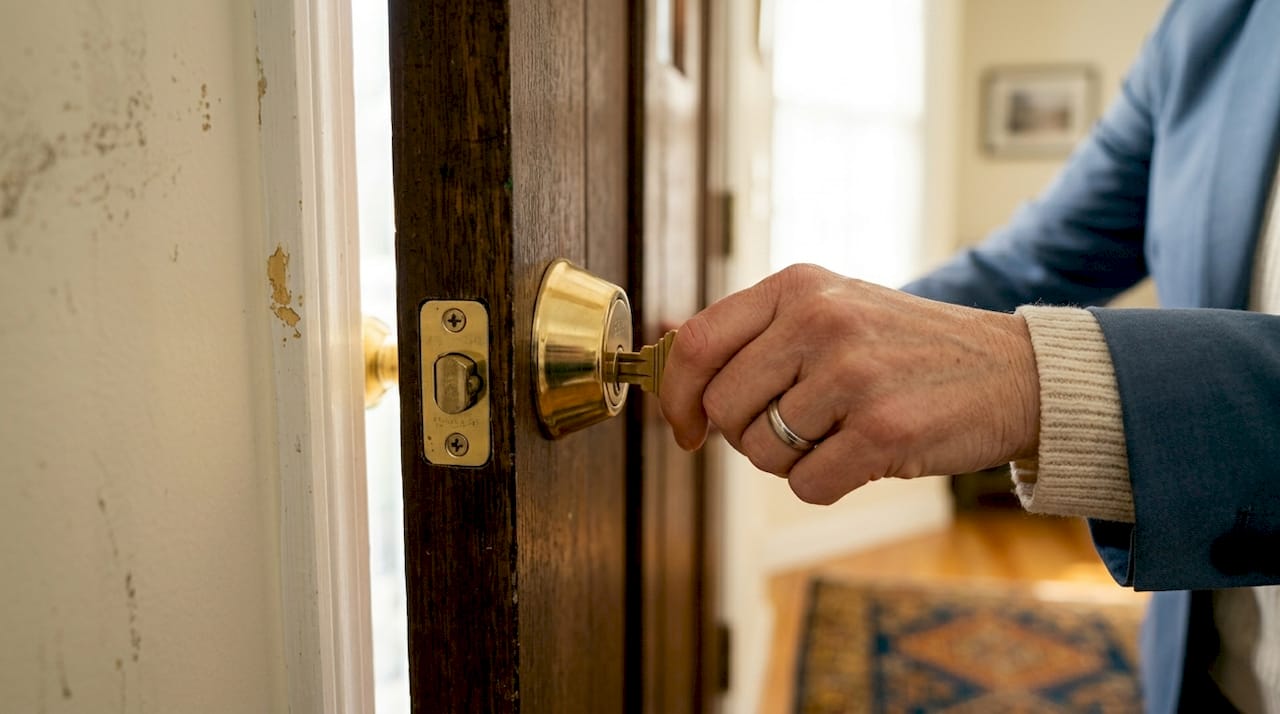
Next, close the door without latching it. Test the key again. Finally, close and latch the door fully, and test the lock from both outside and inside. Many problems only appear under load when the door weight compresses the frame slightly.
Pro Tip: If the key turns stiffly only when the door is fully closed, the fault is almost always the strike plate position, not the lock itself. Adjust the strike plate forward or backward by 1 to 2mm and retest.
Common problems to watch for after installation include:
- Binding: The bolt catches on the strike plate. File the strike plate recess slightly or reposition it.
- Key difficulty: The cylinder is overtightened or the cam is misaligned. Loosen the retaining screw a quarter turn and test again.
- Loose handles: The spindle screws weren’t tightened fully. Tighten them, but do not overtighten or you’ll restrict the handle movement.
- Door not latching: The latch bolt is too long for the backset distance. A hacksaw can trim a steel latch bolt to length.
Call a professional locksmith if the lock is still not operating correctly after basic adjustments. Forcing a misaligned lock can damage the mechanism and make the problem significantly worse. It can also leave you locked out.
My honest take on DIY lock changes
I’ve seen a lot of lock jobs over the years, and the ones that go wrong almost always fail at the same point: the preparation stage. People skip the measurements, buy the wrong lock, and then spend three times as long bodging it to fit. Or worse, they fit it incorrectly and think it’s secure when it really isn’t.
What I’d say from experience is this. A basic cylinder swap on a modern door is genuinely easy and worth doing yourself. It takes under 20 minutes if you buy the same brand and model. Where people get into trouble is with mortice locks in older doors, UPVC multipoints, and anything involving smart lock firmware. Those aren’t hard jobs technically, but they have more steps where something can go wrong.
I’ve also found that most homeowners underestimate how much the door frame matters. You can fit the best lock on the market, but a door frame’s strength ultimately determines how well it resists forced entry. A solid lock with a weak frame is still a weak door. If you’re upgrading for security, address both. My practical advice: read the DIY vs professional comparison before deciding. Some jobs save you money doing yourself. Others genuinely benefit from a professional, and knowing which is which is half the battle.
— Barry
Need a hand with your lock change?
Sometimes the job is more complicated than expected. Maybe the old lock is seized solid, the frame is damaged, or you’re dealing with a UPVC multipoint that needs precise matching. That’s when it makes sense to call in a professional.
Ecslocksmiths provides fast, reliable lock replacement services across Dublin for homeowners and renters alike. Whether it’s a straightforward cylinder swap or a full security upgrade with high-grade deadbolts and smart locks, the team is available 24 hours a day and offers free estimates. You get the job done right the first time, without the risk of a botched installation leaving your home exposed. Get in touch today and let Ecslocksmiths handle the complexity.
FAQ
How long does it take to change a door lock?
A basic cylinder replacement takes 15 to 20 minutes with standard tools. If you’re replacing like for like from the same manufacturer, it can take as little as 3 to 5 minutes.
Can a renter change their door lock without permission?
In most cases, yes. Tenants can change locks for safety reasons, but they typically must provide their landlord with a duplicate key and may need to reinstate the original lock when leaving, as outlined in their tenancy agreement obligations.
What measurements do I need before buying a replacement lock?
You need three measurements: door thickness (usually 1-3/8 to 1-3/4 inches), backset (2-3/8 or 2-3/4 inches), and bore hole diameter (typically 2-1/8 inches). Getting these wrong is the most common cause of installation failure.
What is the best type of lock for a front door?
For exterior doors, choose a lock rated ANSI/BHMA Grade 1 or Grade 2. Pair it with a strike plate fixed using 3-inch screws into wall studs for genuine security.
When should I call a locksmith instead of doing it myself?
Call a professional if the existing lock is seized, the door frame is damaged, you’re working with a UPVC multipoint system you’re unfamiliar with, or if the lock still isn’t functioning correctly after basic troubleshooting.
Recommended
What services do locksmiths in Ireland actually offer?
It’s more than just unlocking doors. Most locksmiths provide:
Emergency lockouts (home, car, business)
Lock repairs and replacements
Key cutting and rekeying
Security upgrades (e.g. anti-snap locks)
Car key replacement
How quickly can you respond to an emergency?
In emergency situations, typical arrival times should be at your location within 20-30 minutes. There are always professional locksmiths on standby, ready to handle any lockout or security emergency, ensuring safety is never compromised.
Can a lockmsith help with high-security locks and systems?
Absolutely! Most locksmiths specialise in advanced high-security lock systems, including electronic locks, biometric security, smart locks, and keyless entry systems. The should be trained in the latest security technologies, ensuring that they can provide the highest level of protection for your home, office, or vehicle. Ask for a free expert consultation to help you choose the right security system for your needs.
Will a locksmith provide a warranty on there services?
Yes, all locksmiths should stand by the quality of there work and offer a 100% satisfaction guarantee. Most would by default offer a warranty on all services, ensuring that you receive the best craftsmanship and long-lasting results.
Can a locksmith open Cars
Yes, most locksmiths are trained to open cars.
How quickly can a locksmith get to me in an emergency?
Most locksmiths in Ireland offer 24/7 emergency callouts and typically arrive within 15–60 minutes, depending on your location and traffic. In Dublin, response times can be as fast as 10–30 minutes, especially for emergency lockouts.
Can a locksmith open my door without damaging it?
Yes A professional locksmiths use non-destructive entry methods first. Drilling is usually a last resort, not the default approach.
If someone immediately suggests drilling without inspecting the lock, that’s a red flag.
How much does a locksmith cost?
Costs vary depending on the service, time of day, and complexity of the job. A standard lockout is usually cheaper than replacing a lock. Emergency or late-night services may cost more.
Prices vary, but here’s a realistic guide:
Standard callout/labour: €85–€95
Lockout service: from ~€85–€120+
Lock replacement: depends on parts + labour
Important: Always ask for a full quote upfront and if there is a call out fee. Some companies advertise low prices but increase costs after arriving.
Prices can vary quite a bit… call around for quotes!
Can you make a key without the original?
Yes A professional locksmiths use non-destructive methods whenever possible. Damage usually only happens if the lock is faulty, high-security, or has already been tampered with.
Do locksmiths in Ireland need to be licensed?
Yes. In Ireland, all locksmiths must be licensed by the Private Security Authority (PSA).
If you’re hiring someone:
Ask for their PSA licence number
Avoid anyone who can’t prove credentials
By asking for the licence you avoid the scammers.
Providing Locksmith Services For More Than 30 Years in Dublin, lock outs, lock fitting, slam locks, car opening, commerical and domestic.


Quick Links
Home
About Us
Services
Testimonial
Faqs
Legal
Privacy Policy
Terms & Conditions