Our Latest Articles
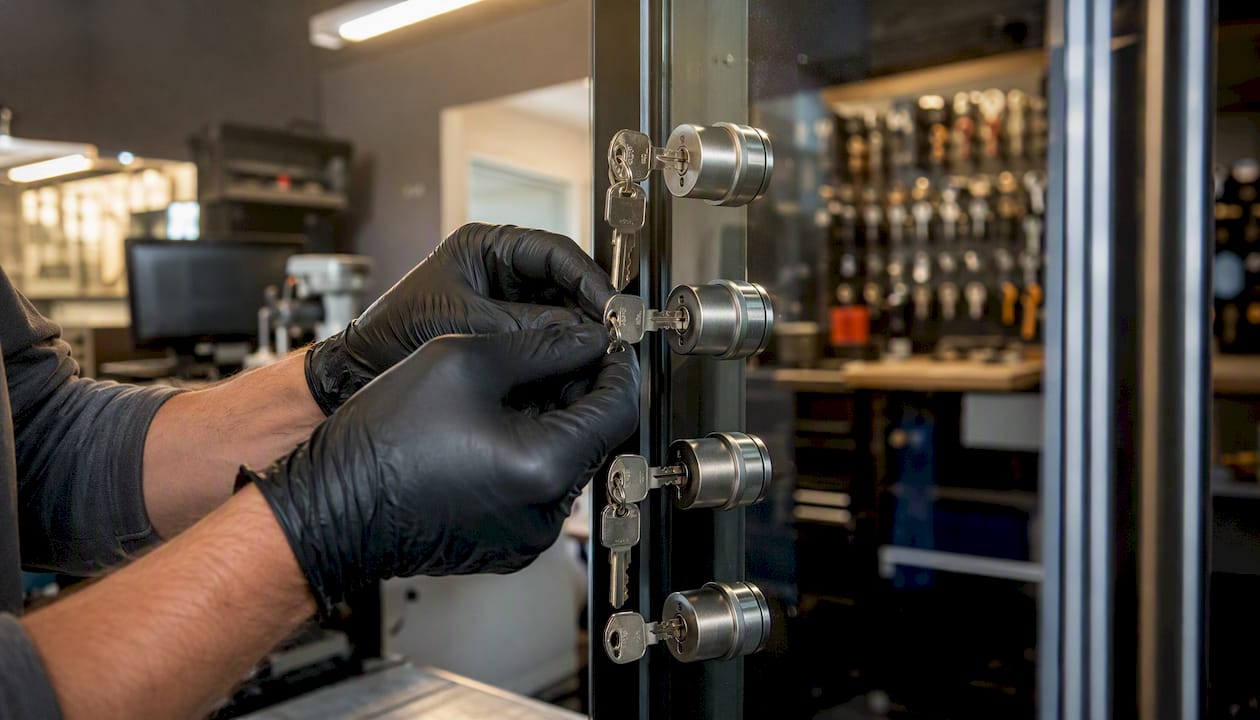
Keyed alike locks: what they are and when to use them
Keyed alike means one key opens several locks, cutting every cylinder to the same combination. It suits homes, small offices, and landlords where everyone using the property needs the same access and convenience matters more than compartmentalised security.
It works well for:
- Homeowners with a front door, back door, and shed who want to carry one key
- Small businesses with several external doors and one trusted team
- Tradespeople managing multiple vans or storage units
The trade-off is real: lose that one key, and every lock it opens is compromised at once.
Key Takeaways
Keyed-alike locks work best when convenience matters more than compartmentalised access, but they concentrate risk into a single key that must be protected and never shared in safety-critical settings.
| Point | Details |
|---|---|
| Definition and fit | One key opens multiple locks; best for homes, small offices, and single-team properties. |
| Biggest risk | Losing one keyed-alike key compromises every lock it opens, not just one door. |
| Compatibility limits | Mixing brands or cylinder profiles often makes keying alike impossible without replacement. |
| Never share in LOTO settings | Lockout/tagout requires one person, one lock, one key, never a shared keyed-alike padlock. |
| Professional next step | Ecslocksmiths offers free on-site estimates and 24/7 rekeying and cylinder replacement across Dublin. |
Table of Contents
- What is the difference between keyed alike and a master key system?
- What are the benefits and risks of keyed-alike locks?
- Which locks can be keyed alike?
- How do you get locks keyed alike?
- Can keyed-alike locks work with a master key system?
- When should you never use keyed-alike locks?
- How do you choose a locksmith for keyed-alike work?
- A locksmith’s take on choosing keyed alike
- Get your locks keyed alike with Ecslocksmiths
- Frequently asked questions
- Sources
What is the difference between keyed alike and a master key system?
Keyed alike, keyed different, and master key systems solve different problems, and mixing them up wastes money on hardware you don’t need.
Keyed different is the default for most new locks: every cylinder takes its own unique key. A landlord with six flats typically wants this, because one tenant’s lost key shouldn’t threaten anyone else’s door.
Keyed alike flattens that structure. Every lock takes the identical key, with no hierarchy at all. A homeowner with a front door, side gate, and garden shed is the textbook case.
Master key systems sit above both. Each lock gets its own individual key, but a separate master key opens all of them too. Master key systems are hierarchical, while keyed-alike systems are flat — a distinction that matters more than most buyers realise once they try to combine the two later.
- Home with outbuildings — keyed alike, one key for house, shed, garage.
- Small office, single team — keyed alike across all external doors.
- Multi-tenant building — master key for the landlord, keyed different for each unit.
Pro Tip: If you manage a property where staff turnover is frequent, ask about a master system before defaulting to keyed alike. It’s more expensive up front but far cheaper than rekeying every time someone leaves.
What are the benefits and risks of keyed-alike locks?
The convenience case for keyed alike is straightforward: one key for the front door, the side gate, and the padlock on the shed means fewer keys on the ring and fewer moments spent trying the wrong one in a lock at night.
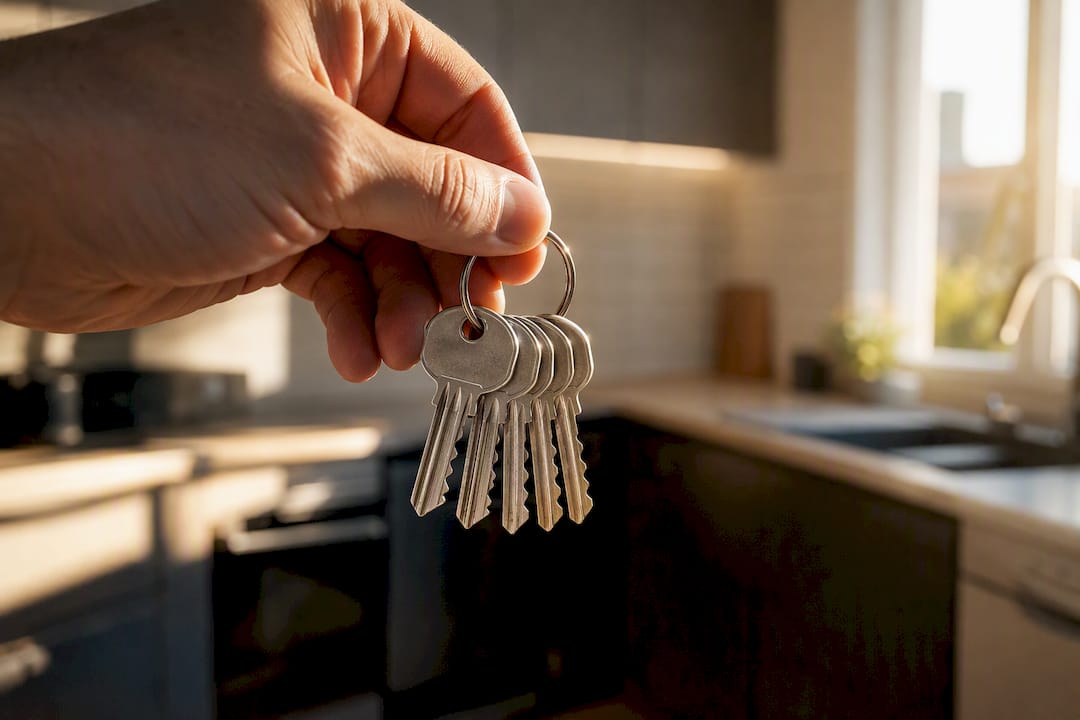
That convenience comes with a genuine security trade-off. Every lock keyed alike shares one point of failure — lose the key, and a locksmith will usually recommend replacing or rekeying every cylinder on that key, not just the one door you’re worried about. It’s why locksmiths commonly advise rekeying rather than simply cutting a spare whenever a keyed-alike key goes missing.
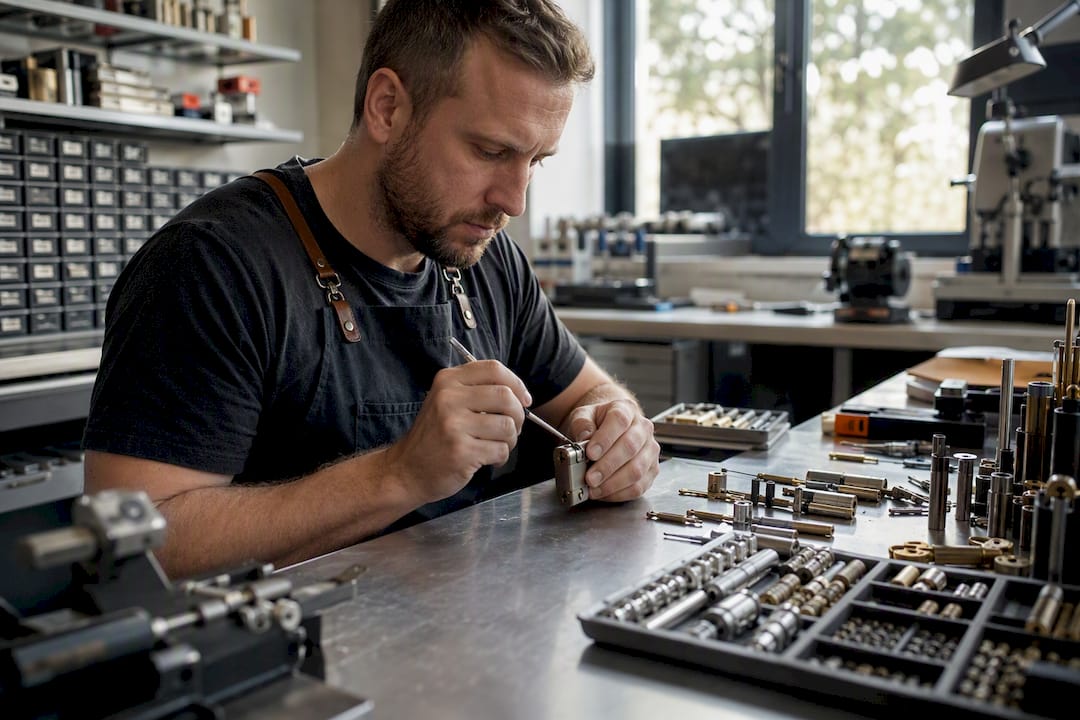
Unauthorised copying is the other concern. A standard key blank can be duplicated at most hardware counters in minutes, and if that key opens five doors, one careless copy multiplies the exposure fivefold.
Three mitigations actually work:
- Restricted key profiles that can only be duplicated by an authorised locksmith with proof of ownership
- Higher security grade cylinders resistant to picking, bumping, and drilling
- Controlled duplication policies — logging who holds a key and when spares are issued
None of this eliminates the risk. It just shrinks the window where a lost or copied key does real damage.
Which locks can be keyed alike?
Not every lock on your property can share a key, and knowing the limits before you order hardware saves a wasted trip and a second invoice.
The commonly compatible types are described in detail in what kind of doors are best for interiors, which helps when identifying which internal doors commonly use compatible cylinders.
- Euro cylinders — the standard for UPVC and composite doors, widely available pre-keyed or re-pinnable
- Mortice cylinders — compatible when they share the same pin system and manufacturer profile
- Padlocks — often sold as pre-keyed sets specifically designed for keying alike, the simplest route for sheds, gates, and storage units
The constraint that catches people out is brand and profile mismatch. Euro cylinders, mortice locks, and padlocks can generally be keyed alike when they share compatible profiles, but mixing different manufacturers or lock types often makes it impossible without swapping hardware. A five-pin cylinder from one brand won’t necessarily take the same key cuts as a six-pin cylinder from another, even if they look identical from the outside.
Removable cores matter here too. Some commercial cylinders let a locksmith swap the internal core without removing the whole lock body, which makes rekeying faster and cheaper. Checking whether your existing hardware has this feature, before you commit to a plan, is worth the five-minute conversation with a locksmith.
How do you get locks keyed alike?
Three routes get you there, and the right one depends on what you already have fitted.
- Buy pre-keyed matched sets. Padlocks in particular are routinely sold as matched sets on merchant sites and marketplaces, which is the fastest option if you’re starting from scratch with sheds, gates, or storage units. The downside: you’re limited to whatever combinations the retailer stocks, and it doesn’t help with locks already fitted to your doors.
- Rekey or re-pin existing cylinders. A locksmith adjusts the internal pins of your current locks so they all match one key, without replacing the hardware. This is usually the most cost-effective option when your cylinders are in good condition and share a compatible profile.
- Replace cylinders entirely. Necessary when existing locks are worn, incompatible across brands, or you want a security upgrade at the same time, such as anti-snap or anti-pick euro cylinders.
Costs vary by property and hardware, but rekeying a handful of standard cylinders is typically less expensive than full replacement, while replacement makes sense when you’re upgrading security anyway. Ask any locksmith for a written quote that separates labour from parts, and confirm whether the price includes cutting your matched keys or if spares cost extra.
Pro Tip: Always ask whether the quote includes testing every lock on site before the locksmith leaves. A key that turns smoothly on the bench can still bind in a door that’s slightly out of alignment.
Can keyed-alike locks work with a master key system?
Mixing keyed alike into an existing master key system is one of the most common requests locksmiths turn down, and the reason is mechanical, not arbitrary.
A master-keyed cylinder contains specific master wafers that a standard keyed-alike cylinder simply doesn’t have. Retrofitting keyed-alike pins into a master-keyed cylinder is often infeasible without replacing the cylinder outright, because the two systems are built on different internal logic from the start.
A small business that added keyed-alike padlocks to storage cages years after installing a master-keyed door system often discovers the two don’t talk to each other at all — the master key won’t touch the padlocks, and there’s no simple fix short of standardising one system across the site.
Before buying any hardware for a mixed property, get a professional locksmith to map your existing keying system. It’s a short visit that prevents an expensive mistake.
When should you never use keyed-alike locks?
Lockout/tagout situations are the clearest case where keyed alike becomes a genuine safety hazard rather than a convenience.
- One person, one lock, one key. Sharing a keyed-alike padlock among multiple workers during LOTO procedures is unsafe because it raises the risk that equipment gets re-energised while someone is still working on it.
- Keyed different is the requirement, not a preference, in maintenance and industrial settings where each worker’s lock has to be individually verifiable before power is restored.
- Personal locks stay personal. If your workplace needs controlled access for multiple staff without LOTO risk, a keyed-different system with a logged key register achieves the same accountability safely.
If you’re managing a warehouse, plant room, or any site with isolation procedures, treat keyed alike as the wrong tool entirely, not just a riskier one.
How do you choose a locksmith for keyed-alike work?
A five-minute phone call before you book anything tells you most of what you need to know about whether a locksmith is worth hiring.
Check first that they carry proper insurance and belong to a recognised trade body. Then ask these questions directly:
- Which cylinder brands do you stock, and are they compatible with what I already have fitted?
- Can you supply restricted keyway keys that limit unauthorised duplication?
- How do you handle spare key orders after the initial job, and what does that cost?
- What warranty covers the cylinders and the labour separately?
Always get the quote in writing, with job scope spelled out and parts separated from labour. Ask for a record of your key code kept on file, since you’ll need it for spare keys later without paying for another site visit.
Pro Tip: Keep a copy of your key code somewhere other than your phone. If your phone is what gets stolen alongside your keys, you’ve lost your record at the worst possible moment.
A locksmith’s take on choosing keyed alike
For most homes and small offices, keyed alike is the sensible default: one key, less hassle, and a manageable risk if you follow through on restricted duplication. The line where it stops making sense is anywhere access needs to be individually accountable, or where two existing systems need to merge.
Re-pinning a couple of matching euro cylinders is a fair DIY job if you’re confident with a screwdriver. Anything involving master systems, restricted keyways, or mismatched hardware belongs with a professional who can map the site properly first.
Get your locks keyed alike with Ecslocksmiths
Ecslocksmiths handles the part most keyed-alike jobs get stuck on: matching hardware that looks compatible but isn’t, and rekeying cylinders properly the first time so you’re not paying for a second visit. Rather than gambling on a pre-keyed set that might not fit your existing doors, you get a locksmith who checks your cylinders on site, tells you honestly whether rekeying or replacement makes more sense, and cuts matched keys before leaving.
Ecslocksmiths offers 24/7 availability across Dublin, free estimates before any work starts, and a satisfaction guarantee on installations and rekeying. That covers everything from a single lost front door key to a small business standardising access across several external doors.
Book a visit or request a free estimate through the main service page, or check current response times and service details before you call. The first visit includes an on-site check of your existing cylinders and a straight answer on whether keyed alike, rekeying, or replacement is the right call for your property.
Frequently asked questions
Is keyed alike the same as a master key system? No. Keyed alike gives every lock the identical key with no hierarchy, while a master key system gives each lock its own key plus one master key that opens them all.
Can I rekey my existing locks to be keyed alike myself? If your cylinders share the same brand and pin profile, a confident DIYer can re-pin simple euro cylinders. Anything involving multiple lock types or existing master systems is best left to a locksmith.
What happens if I lose a keyed-alike key? Every lock cut to that key becomes vulnerable, so most locksmiths recommend rekeying or replacing the full set rather than just cutting a new spare.
Can keyed-alike padlocks be used for workplace lockout procedures? No. Lockout/tagout safety guidance requires one person, one lock, one key for each worker, and sharing a keyed-alike padlock breaches that principle.
Do all euro cylinders work with keyed-alike systems? Most do, provided they share a compatible profile and manufacturer. Mixing brands or pin counts often prevents keying alike without replacing the cylinders.
Sources
What services do locksmiths in Ireland actually offer?
It’s more than just unlocking doors. Most locksmiths provide:
Emergency lockouts (home, car, business)
Lock repairs and replacements
Key cutting and rekeying
Security upgrades (e.g. anti-snap locks)
Car key replacement
How quickly can you respond to an emergency?
In emergency situations, typical arrival times should be at your location within 20-30 minutes. There are always professional locksmiths on standby, ready to handle any lockout or security emergency, ensuring safety is never compromised.
Can a lockmsith help with high-security locks and systems?
Absolutely! Most locksmiths specialise in advanced high-security lock systems, including electronic locks, biometric security, smart locks, and keyless entry systems. The should be trained in the latest security technologies, ensuring that they can provide the highest level of protection for your home, office, or vehicle. Ask for a free expert consultation to help you choose the right security system for your needs.
Will a locksmith provide a warranty on there services?
Yes, all locksmiths should stand by the quality of there work and offer a 100% satisfaction guarantee. Most would by default offer a warranty on all services, ensuring that you receive the best craftsmanship and long-lasting results.
Can a locksmith open Cars
Yes, most locksmiths are trained to open cars.
How quickly can a locksmith get to me in an emergency?
Most locksmiths in Ireland offer 24/7 emergency callouts and typically arrive within 15–60 minutes, depending on your location and traffic. In Dublin, response times can be as fast as 10–30 minutes, especially for emergency lockouts.
Can a locksmith open my door without damaging it?
Yes A professional locksmiths use non-destructive entry methods first. Drilling is usually a last resort, not the default approach.
If someone immediately suggests drilling without inspecting the lock, that’s a red flag.
How much does a locksmith cost?
Costs vary depending on the service, time of day, and complexity of the job. A standard lockout is usually cheaper than replacing a lock. Emergency or late-night services may cost more.
Prices vary, but here’s a realistic guide:
Standard callout/labour: €85–€95
Lockout service: from ~€85–€120+
Lock replacement: depends on parts + labour
Important: Always ask for a full quote upfront and if there is a call out fee. Some companies advertise low prices but increase costs after arriving.
Prices can vary quite a bit… call around for quotes!
Can you make a key without the original?
Yes A professional locksmiths use non-destructive methods whenever possible. Damage usually only happens if the lock is faulty, high-security, or has already been tampered with.
Do locksmiths in Ireland need to be licensed?
Yes. In Ireland, all locksmiths must be licensed by the Private Security Authority (PSA).
If you’re hiring someone:
Ask for their PSA licence number
Avoid anyone who can’t prove credentials
By asking for the licence you avoid the scammers.
Providing Locksmith Services For More Than 30 Years in Dublin, lock outs, lock fitting, slam locks, car opening, commerical and domestic.


Quick Links
Home
About Us
Services
Testimonial
Faqs
Legal
Privacy Policy
Terms & Conditions