Our Latest Articles
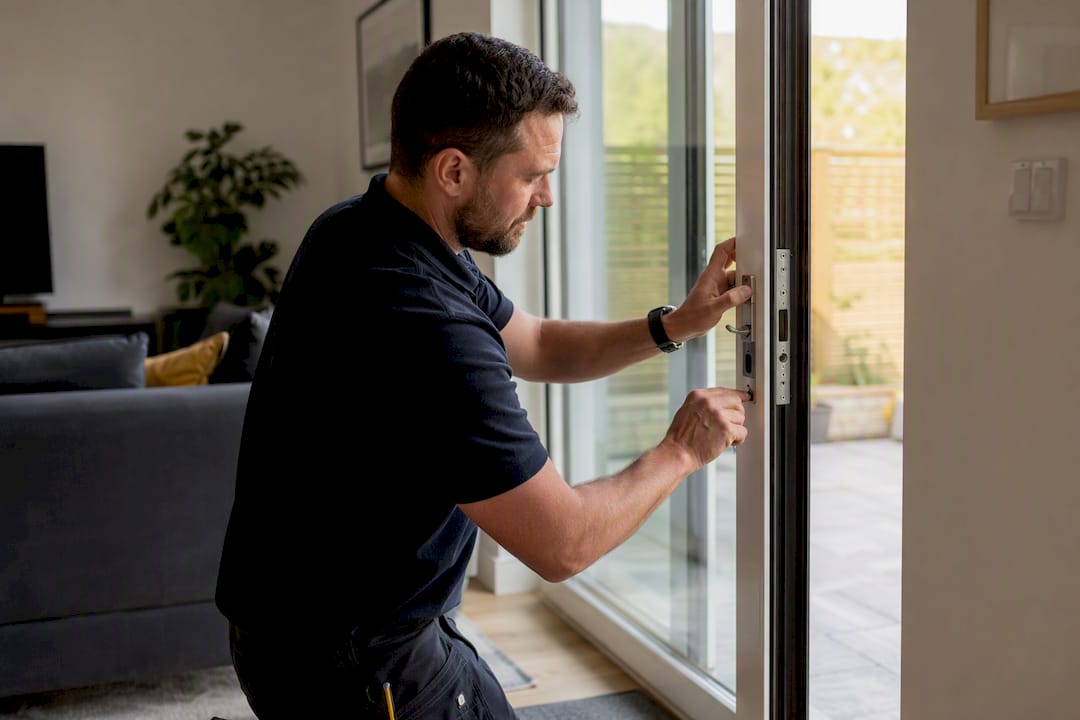
Sliding door lock repair: quick steps, costs and what to expect
If your sliding door lock has failed, the safest move is to call a qualified locksmith before you do anything else. Sliding door lock repair usually needs a proper diagnosis of rollers, track and lock internals, not a guess with a screwdriver.
If a callout will take a while, there are two things you can safely do right now:
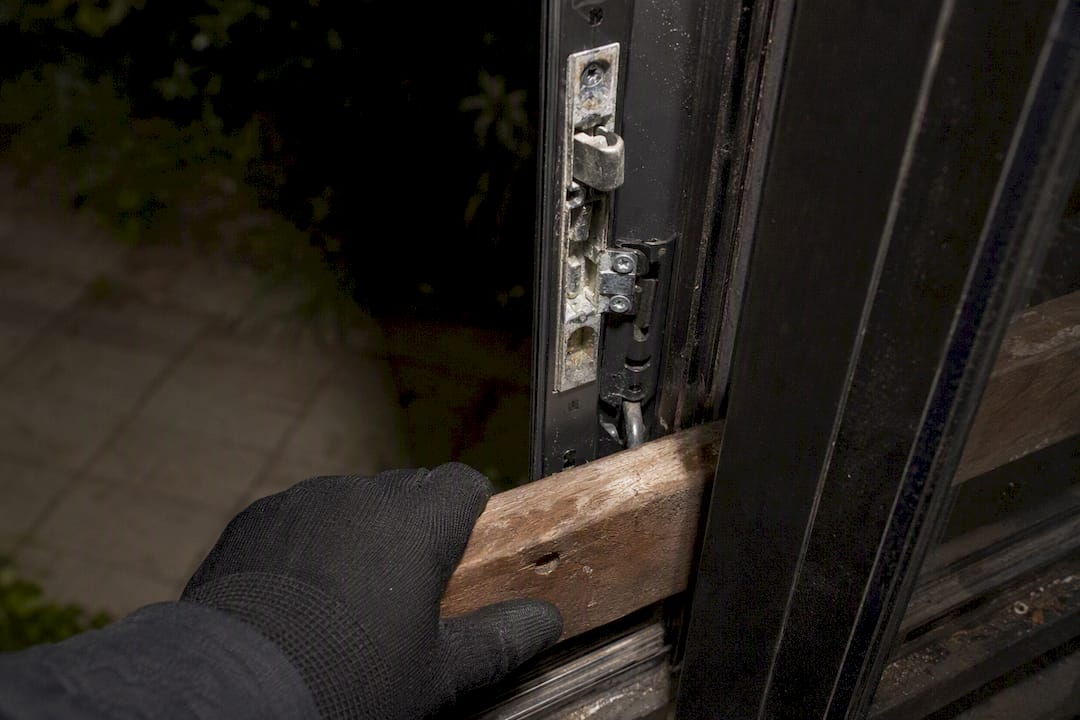
- Wedge a length of timber dowel or a security bar into the track so the door cannot slide open, even if the lock itself has failed.
- Clear the sill and track of grit, leaves or debris that might be stopping the latch from seating properly.
If the door won’t secure at all, or the handle spins freely without the latch engaging, that’s an emergency. Call for a rapid response visit rather than forcing anything.
Key Takeaways
Most sliding door lock failures come from misaligned rollers or worn internals rather than a faulty lock itself, and a layered security setup resists forced entry far better than any single fix.
| Point | Details |
|---|---|
| Diagnose before replacing | Check rollers, track and alignment first, since these cause most lock faults, not the lock body. |
| Repair vs replace | Repair alignment issues, replace the lock body when internals are worn, and only replace the door for frame damage. |
| Layer your security | Combine a track bar, secondary lock, anti-lift pins and multi-point upgrade for real resistance. |
| Verify before booking | Confirm PSA licensing, written estimates, and warranty terms before any work begins. |
| Call Ecslocksmiths for support | Ecslocksmiths offers 24/7 emergency callouts, on-site diagnosis, and guaranteed workmanship across Dublin. |
Table of Contents
- What does professional sliding door lock repair cover?
- Why won’t my sliding door lock catch?
- Should you repair the lock or replace the whole door?
- What happens when you call a locksmith out?
- When is a sliding door lock failure an emergency?
- How do you stop the same fault happening again?
- How do you know a locksmith is legitimate?
- Why does layered security beat a single lock?
- Book a sliding door lock repair with Ecslocksmiths
- Sources
What does professional sliding door lock repair cover?
A proper repair visit goes well beyond swapping a latch. Most Ecslocksmiths call-outs for sliding door lock repair include:
- On-site diagnosis of the whole mechanism, not just the lock
- Lock body replacement where internals are worn or snapped
- Roller adjustment or full roller replacement
- Keeper and strike plate realignment
- Anti-lift device fitting
- Multi-point lock upgrades
- Security bar or track bar installation
- Referral for glass reinforcement where the panel itself is compromised
uPVC, aluminium, and timber patio, French, and sliding panel doors are all serviced routinely. Older timber sliders and some imported aluminium systems sometimes need specialist parts sourced to match, which is one reason a technician measures before quoting rather than guessing over the phone. A full diagnosis checks roller height, track condition, lock internals, keeper alignment and frame square, because a lock that won’t catch is very often a symptom of something else entirely.
Why won’t my sliding door lock catch?
Most sliding door lock failures trace back to a handful of causes, and the majority are fixable quickly once diagnosed correctly. The usual suspects:
- Misalignment from a sagging door. Worn rollers let the panel drop slightly, which shifts the latch away from the keeper.
- Worn or snapped mortise springs. The handle turns, but nothing happens inside the lock body.
- Sticky or frozen cylinders. Dirt, old lubricant, or corrosion jam the mechanism.
- Stripped mounting screws. Common on uPVC frames that have been over-tightened at some point.
- Corroded hardware. Especially in coastal properties where salt air gets into the mechanism over time.
Before calling anyone, you can safely check the track for debris, test the latch with the door fully open, and look for obvious corrosion or snapped screws. A light spray of dry PTFE or silicone lubricant on the lock mechanism can free a sticky cylinder; avoid oil-based sprays, since they attract dust and gum things up over months. Cleaning the track and checking roller height are genuinely useful first checks a homeowner can run before booking a visit.
Some signs mean stop and call a professional immediately: the handle spins with no latch movement at all, the door only locks once you physically lift the panel, or fixing it would mean removing a heavy glass panel. None of that is a DIY job.
Pro Tip: If your property is within a mile or two of the coast, treat corrosion as the default suspect on any lock that’s stiffened up over a single season. Salt air degrades sliding door hardware faster than most homeowners expect, and seasonal timber swelling can mimic the same symptoms in the opposite direction.
Should you repair the lock or replace the whole door?
This is the decision that actually saves money, and getting it wrong either way costs you. Roughly:
- Repair the existing lock when the root cause is alignment or rollers, and the lock body itself is intact. This is the cheapest and fastest fix, often resolved in a single visit.
- Replace the lock body when internals are worn out, the handle spins freely, or springs have snapped. Handle-and-lock replacements are usually straightforward for a trained technician and restore full security without touching the door itself.
- Replace the whole door only when frame damage or severe corrosion has compromised the structure, not just the hardware.
Security upgrades worth considering alongside any repair include multi-point locking systems, anti-lift pins fitted into the top track, secondary keyed or pin locks, track bars or dowels, and security film or laminated glass. Anti-lift blocks in particular are a genuinely high-impact, low-cost defence, letting an older slider resist being lifted clear of its track without replacing the door at all. Multi-point locks and anti-lift features outperform a single-point latch on their own, and most of these upgrades can be retrofitted without touching the door itself; only glass reinforcement typically needs a full panel swap. If you’re weighing a sliding panel against other configurations entirely, it’s worth understanding how different door types compare on security before committing either way.
In practical terms: repair is quick and cheap, lock replacement is a moderate job with a real security payoff, and door replacement is the slowest and most expensive option, reserved for structural problems rather than lock faults.
What happens when you call a locksmith out?
A typical visit runs in a predictable sequence. Phone triage first, where you describe the symptoms and door type. Then on-site diagnosis, a written quotation, parts sourcing if needed, the repair or replacement itself, and a final test with a guarantee on the work.
Costs vary with the job, but as a rough guide: a straightforward realignment or latch repair sits at the lower end, a full lock body replacement costs more depending on parts, and a multi-point upgrade sits highest because it involves more hardware and labour. Get a firm quote after diagnosis rather than relying on a phone estimate.
Before any work starts, ask:
- Do you hold a PSA licence or equivalent?
- What warranty covers the work and the parts?
- What brand of replacement parts do you use, and are they corrosion-resistant?
- Is there a call-out or diagnostics fee?
- What’s your realistic ETA for an emergency visit?
Watch for red flags: a suspiciously cheap quote given before anyone has inspected the door, pressure to replace the entire door before a proper diagnosis, or no written estimate at all. A reputable technician measures, checks parts fit, and puts the quote in writing before touching anything.
When is a sliding door lock failure an emergency?
Some situations genuinely can’t wait: the door can’t be secured overnight, the handle turns with no latch engagement, there’s visible damage from an attempted break in, or a cracked glass panel is unstable. A 24/7 emergency visit typically means a fast temporary fix, such as a track bar or interim lock, followed by a permanent quote once things are stable. Have your door type, symptoms, and access details ready when you call to speed the whole process up.
How do you stop the same fault happening again?
A short maintenance routine heads off most repeat call-outs before they start:
- Clear and vacuum the track monthly
- Lubricate the lock and rollers twice a year with dry PTFE or silicone spray
- Check roller adjustment screws annually
- Tighten loose handle screws as soon as you notice play
Catching a worn roller early, re-seating a stripped screw hole, or fitting an anti-lift device before a gap appears all cost far less than an emergency repair down the line.
Pro Tip: Mark your calendar for a spring and autumn check. Heat causes timber and even some uPVC frames to swell slightly, while coastal salt air accelerates corrosion year round, so a twice yearly look keeps both issues from sneaking up on you.
How do you know a locksmith is legitimate?
Before booking, look for 24/7 emergency availability, a PSA licence or equivalent, genuine local reviews, and a clear warranty on both workmanship and parts. Ask for a licence number, proof of liability insurance, and recent local references if you’re unsure. On-site diagnostics and a written estimate before work begins are non-negotiable. Ecslocksmiths operates on exactly this basis: licensed, insured, and upfront about parts and pricing before anything is fixed.
Why does layered security beat a single lock?
Security guidance is consistent on this point: no single lock fully secures a large glass panel on its own. Modern standards favour multi-point locking systems precisely because they engage the frame at several points, which resists forced entry far better than one latch on one edge.
A sensible layered setup looks like this:
- A track blocker or dowel as a physical stop
- A secondary lock, keyed or pin-based
- A multi-point upgrade or replacement cylinder
- Anti-lift blocks in the top track
- Security film or laminated glass, where the budget allows
A combined setup of a track bar, secondary lock, and security film typically costs in the low double-digit to low triple-digit range and is one of the fastest security improvements a homeowner can make without touching the door structure. No single item on that list does the whole job. Together, they turn a door that takes seconds to force into one that takes real time and noise, and that’s usually enough to change an intruder’s mind.
A note from the field
Fast response and an accurate first diagnosis matter more than any single part. Ecslocksmiths backs every repair with a workmanship guarantee, so the fix holds.
Book a sliding door lock repair with Ecslocksmiths
Ecslocksmiths runs 24/7 emergency locksmith services across Dublin, with technicians who diagnose sliding door faults on-site rather than guessing over the phone. That means one visit, a fixed or free estimate before any work starts, and a workmanship warranty on both labour and parts once the job’s done, whether that’s a roller adjustment, a full lock body swap, or a multi-point security upgrade.
If your sliding door won’t lock, or you’d rather upgrade before it fails entirely, book an Ecslocksmiths visit and get a technician out with the right parts on the van the first time.
Sources
- Patio door security guide — GlassAdvisor
- How to fix a broken sliding door lock — FixUpFirst
- How to secure a sliding glass door — BobVila
- How to secure sliding glass doors — Callaway Security
- How to secure your patio doors (2025 guide) — Manchester Window Factory
Frequently Asked Questions
Why won’t my sliding door lock even though the handle moves normally? This almost always points to misalignment rather than the lock itself. The door has likely sagged on worn rollers, shifting the latch away from the keeper, so it needs roller adjustment rather than a new lock.
Can I fix a sticky sliding door lock myself? A light application of dry PTFE or silicone spray on the mechanism is safe to try. Avoid oil-based sprays, which attract dust and gum up the internals over time, and call a locksmith if the cylinder stays stiff afterwards.
How much does sliding door lock repair typically cost? Costs depend on whether it’s a simple realignment, a full lock body replacement, or a multi-point upgrade, with each step up in complexity carrying a higher price. Always get a firm quote after an on-site diagnosis rather than a phone estimate.
Is a multi-point lock worth upgrading to? Yes, for most sliding and patio doors. Multi-point systems engage the frame at several points instead of one, which makes forced entry considerably harder than with a standard single-point latch.
What should I do if my sliding door won’t secure at night? Wedge a dowel or security bar into the track immediately to stop the panel sliding, then call for an emergency visit. This is exactly the kind of fault that qualifies for rapid 24/7 response.
What services do locksmiths in Ireland actually offer?
It’s more than just unlocking doors. Most locksmiths provide:
Emergency lockouts (home, car, business)
Lock repairs and replacements
Key cutting and rekeying
Security upgrades (e.g. anti-snap locks)
Car key replacement
How quickly can you respond to an emergency?
In emergency situations, typical arrival times should be at your location within 20-30 minutes. There are always professional locksmiths on standby, ready to handle any lockout or security emergency, ensuring safety is never compromised.
Can a lockmsith help with high-security locks and systems?
Absolutely! Most locksmiths specialise in advanced high-security lock systems, including electronic locks, biometric security, smart locks, and keyless entry systems. The should be trained in the latest security technologies, ensuring that they can provide the highest level of protection for your home, office, or vehicle. Ask for a free expert consultation to help you choose the right security system for your needs.
Will a locksmith provide a warranty on there services?
Yes, all locksmiths should stand by the quality of there work and offer a 100% satisfaction guarantee. Most would by default offer a warranty on all services, ensuring that you receive the best craftsmanship and long-lasting results.
Can a locksmith open Cars
Yes, most locksmiths are trained to open cars.
How quickly can a locksmith get to me in an emergency?
Most locksmiths in Ireland offer 24/7 emergency callouts and typically arrive within 15–60 minutes, depending on your location and traffic. In Dublin, response times can be as fast as 10–30 minutes, especially for emergency lockouts.
Can a locksmith open my door without damaging it?
Yes A professional locksmiths use non-destructive entry methods first. Drilling is usually a last resort, not the default approach.
If someone immediately suggests drilling without inspecting the lock, that’s a red flag.
How much does a locksmith cost?
Costs vary depending on the service, time of day, and complexity of the job. A standard lockout is usually cheaper than replacing a lock. Emergency or late-night services may cost more.
Prices vary, but here’s a realistic guide:
Standard callout/labour: €85–€95
Lockout service: from ~€85–€120+
Lock replacement: depends on parts + labour
Important: Always ask for a full quote upfront and if there is a call out fee. Some companies advertise low prices but increase costs after arriving.
Prices can vary quite a bit… call around for quotes!
Can you make a key without the original?
Yes A professional locksmiths use non-destructive methods whenever possible. Damage usually only happens if the lock is faulty, high-security, or has already been tampered with.
Do locksmiths in Ireland need to be licensed?
Yes. In Ireland, all locksmiths must be licensed by the Private Security Authority (PSA).
If you’re hiring someone:
Ask for their PSA licence number
Avoid anyone who can’t prove credentials
By asking for the licence you avoid the scammers.
Providing Locksmith Services For More Than 30 Years in Dublin, lock outs, lock fitting, slam locks, car opening, commerical and domestic.


Quick Links
Home
About Us
Services
Testimonial
Faqs
Legal
Privacy Policy
Terms & Conditions